
In the world of DME audits, our team has become intimately familiar with one recurring theme – sometimes, the billing appears to treat diagnosis as a suggestion rather than a clinical reality.
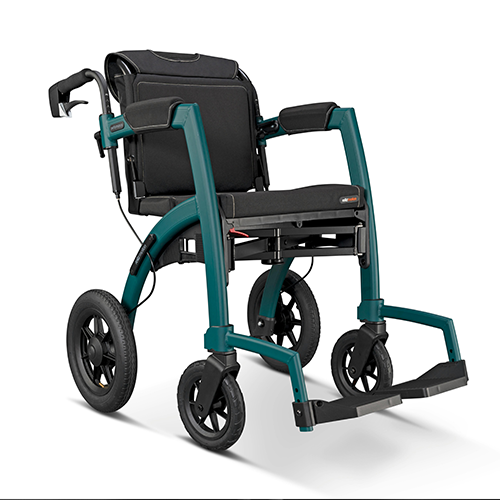
Among the many questionable reimbursement patterns we encounter, one particularly persistent favorite involves HCPCS E2611, a code specifically designated for a specialized back cushion intended for wheelchair use.
At first glance, this may seem harmless enough.
A cushion is a cushion… right?
Not exactly.
What E2611 Actually Covers
HCPCS E2611 is not a generic lumbar pillow.
It is a wheelchair back cushion, designed specifically for individuals who rely on wheelchairs for mobility and require specialized seating support.
Under the Official New York Workers’ Compensation Durable Medical Equipment Fee Schedule, this code carries a reimbursement value of approximately $282.40.
That is a meaningful reimbursement for a medically necessary mobility-related device.
And when properly used?
Entirely appropriate.
The Problem: What if the Patients aren’t in Wheelchairs
Here is where things become considerably more interesting.
In claim after claim, our team reviews documentation where:
- The prescription lists a “lumbar cushion”
- The delivery receipt references general back support
- Diagnoses include:
- Low back pain
- Lumbar sprain
- Cervical strain
- Minor musculoskeletal injuries
And notably absent?
Any indication whatsoever that the patient is wheelchair-bound.
In fact, many records actively contradict wheelchair necessity.
One memorable case included medical documentation noting that the patient:
“…was observed having a slow and antalgic gait,”
and had
“difficulty walking on his toes and heels.”
While clearly injured, this patient was ambulatory. Walking poorly is still walking. And walking patients generally do not require equipment specifically designed for prolonged wheelchair seating.
The Realistic Alternative
In these cases, what was often actually prescribed (and likely delivered) was a standard lumbar support cushion. A perfectly reasonable, lower-cost supportive device. Fee schedule value?
Approximately $20.
So let’s break this down:
- Appropriate lumbar support cushion: ~$20
- Billed wheelchair-exclusive cushion: ~$282.40
Inflation: Roughly 97% higher than medically necessary.
At that point, we are no longer discussing slight coding ambiguity.
We are discussing substantial reimbursement inflation through inappropriate code selection.
The Clinical Logic Problem
To justify E2611, there should generally be documentation supporting:
- Wheelchair dependence
- Specialized seating needs
- Mobility impairment
- Medical necessity for wheelchair seating support
Instead, what we often see are relatively routine back injuries paired with coding that somehow escalates a lumbar pillow into durable mobility equipment.
This creates a rather awkward disconnect. Because unless the patient’s sprain somehow transformed their sedan into a wheelchair, the code selection deserves scrutiny.
Why This Matters
Misclassification of DME is not merely a technical billing issue. It can represent:
- Upcoding
- Excessive reimbursement requests
- Medical necessity discrepancies
- Potential fraud indicators
- Systemic billing abuse
For insurers, legal teams, and SIU investigators, these cases demonstrate how relatively simple supply substitutions can quietly produce substantial overpayments over time.
And because cushions sound harmless, these claims may initially appear minor.
But multiplied across high claim volume?
The financial consequences add up quickly.
Final Thoughts from our DME Audit Desk
Wheelchair cushions absolutely have an important role. For wheelchair users.
Not for every ambulatory patient experiencing back pain after an accident.
At AJHC, our team routinely identifies situations where what was billed differs dramatically from what was medically appropriate—or what documentation actually supports.
Because sometimes, the biggest reimbursement red flag is not a complex surgery or exotic device.
Sometimes, it’s simply a lumbar pillow with delusions of grandeur.